

Form and Kata
Reading form, capturing it, refining it, and shaping it. At Kyoto Seika University, which upholds the motto “Changing the World Through the Power of Expression,” all learning is deeply connected to form, from the shaping of a single line to the discipline of fieldwork and the craft of thesis writing. Building your own expression begins with imitating examples and models, but ultimately you must arrive at kata. What is the relationship between form and the Japanese concept of kata (型), which shares its root with the word for “form,” katachi (形)?
Educational philosopher Kumiko Ikuta writes in her book "Waza” kara shiru (“Waza” as knowing) that the transmission of technique in the traditional arts begins with the imitation of outward forms but is not complete without kata. Kata refers to a tendency by which, through the long repetition of an action, the body’s movements come to be governed without the person’s conscious awareness. The kata of an art is equivalent to what medieval Noh playwright Zeami (c. 1363 – c. 1443) terms ushufū. In contrast to mushufū, which merely imitates form, ushufū denotes a state in which form has been made one’s own and has become an autonomous movement. It is a state in which the desire to imitate has vanished. Zeami reportedly taught that in mastering Noh, it is essential to perfect imitation until it becomes a movement of one’s own.
But how can one truly make a movement one's own? Paradoxically, it lies in mastering ma—the pause that halts movement. Ma is not merely blank space or silence. It is itself another form of expression. Perfect technique, it is said, must encompass both the expressed and the unexpressed, with an intimate and inseparable tension between the two.
While Ikuta groups blank space and silence together, I believe they are fundamentally different. As the old saying goes, silence is golden, and silence can carry an even more deliberate intent. When we choose to remain silent in a conversation, it is to express disagreement, disapproval, or rejection; such “discommunication” is itself an important dimension of communication. But there is something even more important. Silence is a time to gather hidden strength within oneself and hold firm until the moment comes to finally take action. In philosophy, the capacity “to be able not to do” is distinguished from both ability and inability. As opposed to energeia (actuality), this is called potentia (potentiality), according to Italian philosopher Giorgio Agamben.
From the margins of an image or the gutters between panels to the space between lines of text, you are learning every day not only about form but also about ma. Pay attention, too, to the silence that flows between the chatter.
It is precisely through attending to silence that your own unique expression will manifest.
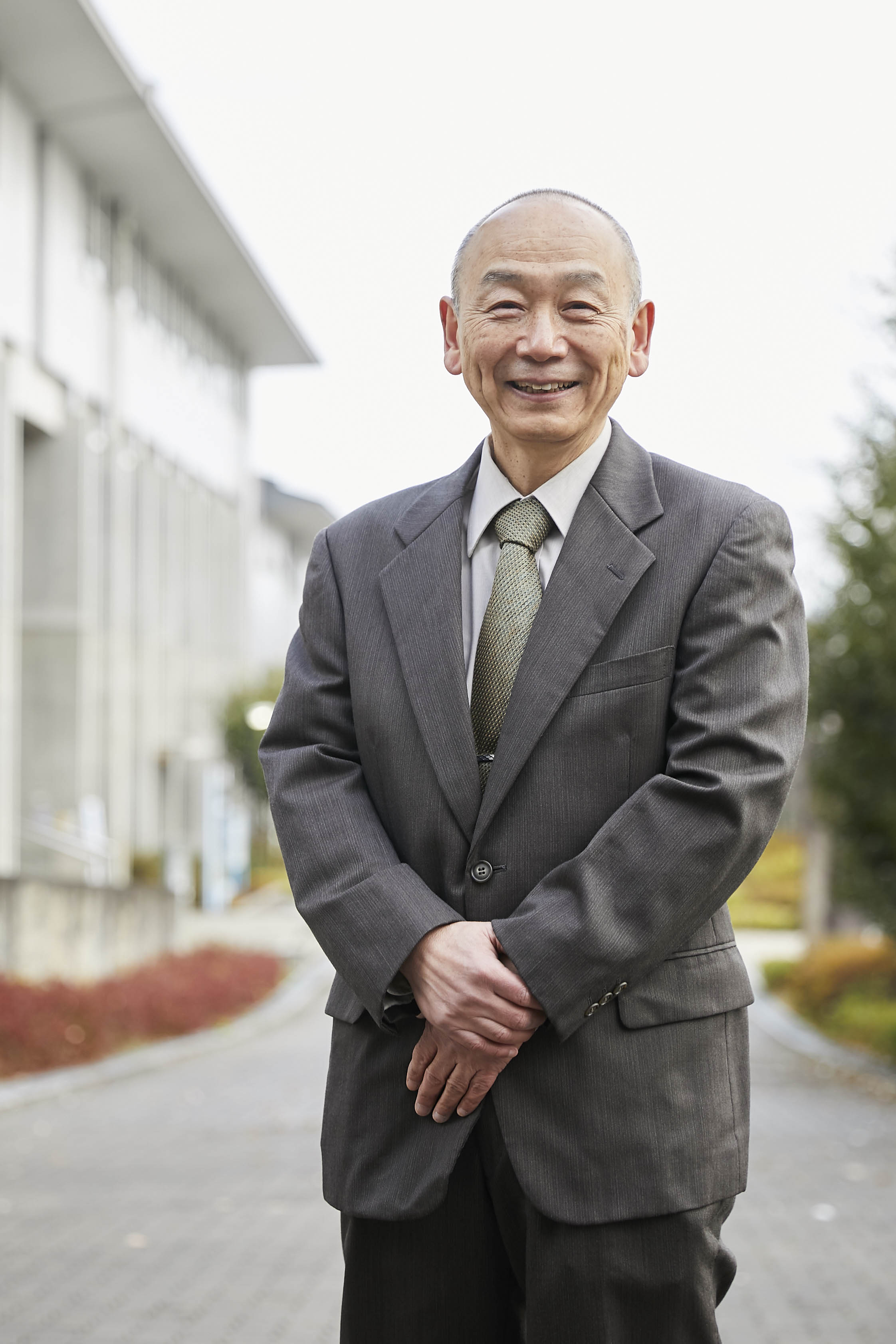
Prof. KANG Jun
Affiliation
- Department of Cartoon Art at the Faculty of Manga
- Department of Character Design at the Faculty of Manga
- Department of Character Design at the Faculty of Manga
- Graduate School of Manga
Term of Office: April 1, 2026-March 31, 2030